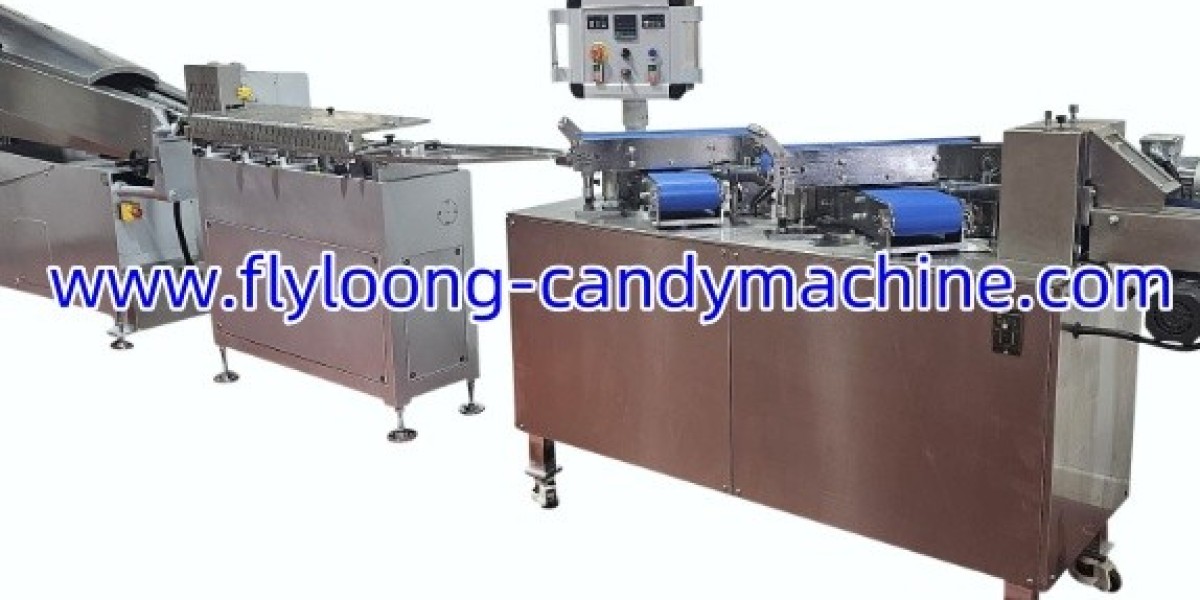

Candy canes carry a distinctive visual identity, combining curved silhouettes, bright colors, and familiar striped patterns that evoke festive traditions and everyday enjoyment. For confectionery manufacturers seeking to organize this specialized process, an Automatic Candy Cane Line from Flyloong-Candymachine can provide a practical foundation for coordinating production stages. Selecting suitable machinery requires more than considering output expectations; it also involves understanding recipe characteristics, shaping requirements, color distribution, cooling conditions, and the desired finish of the final product.
The recognizable appearance of a candy cane begins with careful preparation of the candy mass. Ingredients must be processed under suitable conditions so the material develops the consistency needed for forming and shaping. Temperature, texture, and workability influence how easily the candy can be stretched, twisted, and molded. When these conditions are properly managed, manufacturers can create a material that responds more predictably during subsequent operations.
Color coordination is another defining feature of candy cane manufacturing. Contrasting stripes can create visual interest and distinguish a product from other confectionery items. Achieving an attractive pattern requires attention to how colored and uncolored candy sections are prepared, combined, and shaped. The production process should preserve the intended design while allowing the material to retain its structural properties.
Shaping introduces another layer of technical consideration. The familiar curved end must be formed without damaging the candy body or creating unwanted surface irregularities. Equipment should support controlled forming while accommodating the characteristics of the candy mass. Manufacturers developing variations in size, color arrangement, or overall appearance should evaluate mold compatibility and adjustment requirements before selecting their production configuration.
Cooling also plays an essential role. Candy that remains too soft may lose its intended shape during handling, while unsuitable processing conditions can affect surface appearance and structural consistency. A well-planned workflow allows formed products to stabilize before moving toward finishing and packaging. Coordinating these stages helps reduce unnecessary handling and gives operators a clearer view of the complete production process.
Automation can connect ingredient processing, rope forming, shaping, cutting, and product transfer into a more organized workflow. The appropriate equipment arrangement depends on the manufacturer's recipe, factory layout, product specifications, and operating practices. Before making a purchasing decision, businesses should discuss how the proposed machinery handles their particular candy formulation and whether its adjustment options suit their intended product range.
Cleaning and maintenance are equally important when evaluating production equipment. Accessible working components, clear operating instructions, and practical servicing arrangements can support routine factory operations. Manufacturers should also consider operator training, technical assistance, and the procedures needed to maintain equipment in suitable working condition. These factors help businesses plan beyond installation and establish a more manageable approach to daily production.
Although candy canes are closely associated with seasonal celebrations, their recognizable shape and decorative appearance can also inspire products for themed events, gift collections, and specialty retail displays. Manufacturers may experiment with different flavor combinations, color palettes, and packaging concepts to give their products a distinctive identity. Suitable machinery can provide a structured manufacturing foundation for these creative decisions.
Choosing production equipment is ultimately about connecting a product vision with practical factory requirements. By considering ingredient behavior, shaping accuracy, cooling arrangements, maintenance needs, and workflow integration, confectionery businesses can make decisions that reflect their actual manufacturing goals.
Every candy cane begins as a simple idea waiting to take on its familiar curve and colorful character. Give your next production concept room to grow. Visit https://www.flyloong-candymachine.com/product/ to view available confectionery machinery and consider which solutions fit your manufacturing plans. A fresh seasonal creation could begin with the right equipment and a new direction for your production line.