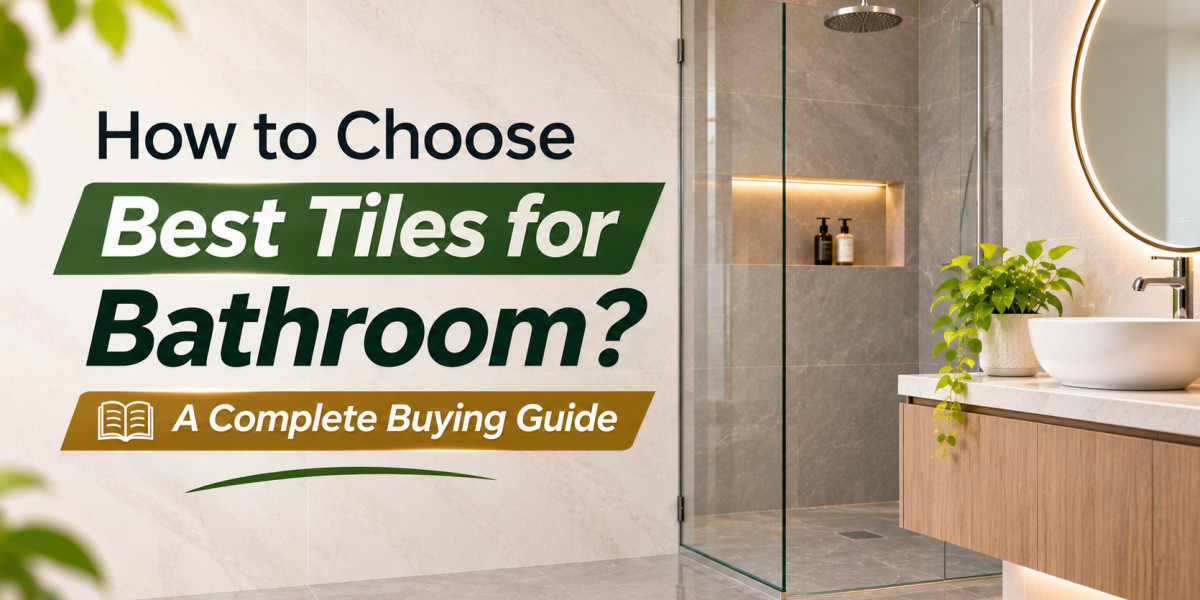

The best bathroom tiles for Indian homes should handle regular moisture, daily cleaning, changing household requirements, and frequent use. A suitable tile should also complement the bathroom's size, ventilation, lighting, and interior style. Porcelain, ceramic, and vitrified tiles are commonly considered because they offer different combinations of durability, design options, and maintenance requirements. Choosing the best tiles for bathroom spaces involves comparing these properties rather than selecting a product based only on its appearance.
Indian bathrooms can differ considerably in layout and usage. Some homes have compact bathrooms with limited ventilation, while others have separate shower areas and larger layouts. The right tile selection should match these practical conditions and the needs of the household.
What Factors Should Indian Homeowners Consider When Choosing Bathroom Tiles?
Before selecting a tile, homeowners should understand the conditions in which it will be used.
Indian bathrooms may experience frequent water exposure, soap residue, hard-water deposits, and regular cleaning. The level of moisture and ventilation can also vary between homes.
Important selection factors include:
Water absorption: Compare the product's water absorption specifications.
Slip resistance: Select suitable flooring for areas exposed to water.
Durability: Consider the expected foot traffic and daily use.
Maintenance: Choose surfaces that can be cleaned without excessive effort.
Design: Match the tile colours and patterns with the bathroom interior.
Budget: Include installation materials and labour in the overall cost.
A good selection balances these factors instead of focusing on only one feature.
Which Tile Materials Are Suitable for Indian Bathrooms?
Different tile materials can work well in Indian homes when selected according to their intended application.
Porcelain Tiles
Porcelain tiles are a popular option for bathrooms because they generally have low water absorption and a dense structure.
They are available in a wide range of designs, including marble-look, stone-look, concrete-look, and wood-look finishes.
Matte and textured porcelain options are commonly considered for bathroom floors, while polished versions can be used for suitable wall applications.
Ceramic Tiles
Ceramic tiles are widely used in Indian homes because they offer many colours, patterns, and price options.
Glazed ceramic tiles are particularly useful for bathroom walls. Their surfaces are relatively easy to wipe clean, making them suitable for areas exposed to regular splashes.
Some ceramic products are also designed for flooring. Check the manufacturer's specifications before using them in wet areas.
Vitrified Tiles
Vitrified tiles have a dense structure and are available in different finishes and designs. They can create a coordinated appearance across bathroom floors and walls.
Stone-look and marble-look vitrified tiles are common choices for contemporary interiors. For bathroom flooring, the surface should have suitable tested slip resistance.
Which Bathroom Tiles Are Best for Indian Weather Conditions?
Bathroom tiles should be selected according to the moisture and temperature conditions of the home.
In areas with frequent rainfall or high humidity, bathrooms may remain damp for longer periods, particularly when ventilation is limited. Tiles with suitable water absorption properties and finishes can be useful in these conditions.
Porcelain tiles are commonly considered because of their generally low water absorption. However, choosing a suitable tile is only one part of managing moisture.
Homeowners should also consider:
Proper bathroom ventilation.
Effective drainage around shower areas.
Correct waterproofing beneath tiled surfaces.
Suitable grout and adhesive.
Sealing around plumbing fixtures and corners.
In regions with changing temperatures, follow the manufacturer's installation recommendations and use suitable materials for the underlying surface.
Which Bathroom Floor Tiles Are Safest for Indian Families?
Bathroom floor safety is important for every household, particularly where children and older adults use the space.
Water, soap, and shampoo can make flooring slippery. Therefore, homeowners should give priority to tested slip resistance when selecting bathroom floor tiles.
Matte and textured finishes are often considered for this purpose, but appearance alone cannot confirm safety.
Before purchasing:
Ask for the manufacturer's slip-resistance rating.
Check the testing method used for the product.
Confirm that the tile is suitable for wet-area flooring.
Give additional attention to the shower floor.
Discuss drainage and floor slope with the installer.
Avoid choosing highly polished flooring simply because it creates a luxurious appearance. A bathroom should remain practical for everyday use.
What Bathroom Tile Designs Are Popular for Indian Homes?
Bathroom design preferences vary, but several styles can suit different types of Indian homes.
Marble-Look Tiles
Marble-look tiles create an elegant appearance through natural-style veins and light colour variations. White, beige, and grey designs can complement contemporary bathroom interiors.
They can be used on walls or other suitable surfaces to create a refined finish.
Stone-Look Tiles
Stone-look tiles offer an earthy appearance and work well with neutral colours. They can complement simple fixtures and natural-inspired bathroom designs.
Wood-Look Tiles
Wood-look porcelain tiles bring visual warmth into bathrooms without requiring natural timber surfaces. They can be paired with cream, beige, or white wall tiles.
Geometric Tiles
Geometric patterns can add character to a bathroom. They are useful for creating a feature wall or a decorative section near the vanity.
Plain Neutral Tiles
White, cream, beige, and light grey tiles are versatile options. They can make a compact bathroom feel more open and provide a simple background for bathroom fixtures.
Which Tile Colours Are Best for Small Indian Bathrooms?
Many Indian homes have compact bathrooms where colour selection can influence the visual appearance of the space.
Light shades such as white, cream, pale beige, and light grey can help a small bathroom feel brighter. Reflective wall finishes may also improve the sense of brightness when used appropriately.
A few practical design ideas include:
Use light-coloured wall tiles to create a more open appearance.
Choose a complementary floor shade for visual balance.
Avoid too many competing patterns.
Use decorative tiles in one selected section.
Coordinate tile colours with sanitary fittings and cabinets.
Dark shades can still be used in compact bathrooms, but they should be planned carefully to avoid making the space feel crowded.
Should Indian Bathrooms Have Separate Floor and Wall Tiles?
Using separate floor and wall tiles is often a practical approach because the two surfaces have different requirements.
Floor tiles need suitable slip resistance and strength. Wall tiles offer more flexibility in terms of decorative patterns, glossy finishes, and colours.
For example, homeowners can combine matte grey flooring with white glossy wall tiles. Another option is beige stone-look flooring paired with cream walls and a patterned feature section.
The key is to create a coordinated appearance without compromising the functional requirements of each surface.
How Much Should You Spend on Bathroom Tiles?
Bathroom tile prices vary according to material, brand, size, finish, design, and quality. Installation costs also depend on the bathroom layout and condition of the existing surface.
Instead of comparing only the price per tile, calculate the total project cost.
Include:
Tile material and quantity.
Cutting and wastage allowance.
Adhesive and grout.
Waterproofing materials.
Labour and installation.
Removal of existing tiles, if required.
Transportation and handling.
Homeowners should also consider future maintenance when comparing products. A tile that is unsuitable for the installation area may create additional costs later.
Request quotations from suppliers and compare product specifications before making a decision.
What Mistakes Should You Avoid When Buying Bathroom Tiles?
Some common purchasing mistakes can affect the bathroom's appearance and performance.
Choosing only by appearance: Attractive designs may not have suitable properties for wet flooring.
Ignoring slip resistance: A polished floor can become slippery when exposed to water.
Using wall tiles on floors: Not every wall tile is manufactured to withstand foot traffic.
Ignoring waterproofing: Tiles cannot replace proper waterproofing beneath and around wet areas.
Buying insufficient quantities: Running out of tiles during installation can create shade and batch-matching problems.
Ignoring maintenance: Deeply textured surfaces or unsuitable finishes may require more cleaning effort.
Avoiding these mistakes can make the selection and installation process more predictable.
How Can You Make Bathroom Tiles Last Longer?
Proper installation and regular maintenance help preserve tiled surfaces.
Use the adhesive and grout recommended for the selected product. Ensure the floor has an appropriate slope towards the drain and that joints are filled correctly.
For routine maintenance, clean tiles with suitable products and remove soap residue and water deposits regularly. Inspect grout joints and seals around fixtures for signs of damage.
Good ventilation can also help reduce persistent moisture. Any damaged grout, loose tile, or leaking fixture should be addressed promptly to prevent further problems.
Conclusion
The best tiles for Indian bathrooms should combine suitable water resistance, slip resistance, durability, easy maintenance, and an attractive design. Porcelain, ceramic, and vitrified tiles offer different options for floors and walls, but homeowners should always check the specifications of the individual product. Consider the bathroom's size, moisture levels, ventilation, household requirements, and budget before purchasing. With proper material selection and professional installation, you can create a bathroom that remains practical and visually appealing. For more home interior design guidance and solutions, explore the Best Home Interior Company in Aizawl, Mizoram.
Frequently Asked Questions
1. Which tiles are commonly used in Indian bathrooms?
Porcelain, ceramic, and vitrified tiles are commonly used in Indian bathrooms. The right choice depends on the intended surface, product specifications, and household requirements.
2. Are porcelain tiles suitable for Indian bathrooms?
Yes. Porcelain tiles generally have low water absorption and are available in different finishes. Select a product specifically suitable for the bathroom floor or wall where it will be installed.
3. Which bathroom tile colours are best for Indian homes?
White, cream, beige, and light grey are versatile options. They can help compact bathrooms feel brighter and work with different interior styles.
4. Which bathroom tiles are best for hard-water areas?
Choose tiles with surfaces that are easy to clean and follow the manufacturer's maintenance recommendations. Regular cleaning can help prevent mineral deposits from building up.
5. How can I prevent bathroom tiles from becoming slippery?
Choose floor tiles with suitable tested slip resistance, particularly in shower areas. Keep the floor clean, ensure proper drainage, and avoid relying only on the tile's appearance when judging its safety.