
Modern oceanic travel faces an ongoing battle against structural vibration and airborne reverberation. Implementing effective marine soundproofing and specialized Marine Noise Insulation systems is crucial for preserving acoustic comfort onboard and mitigating environmental disruption beneath the waves. Propulsion machinery, auxiliary generators, and turbulent hydrodynamic forces continuously generate intrusive acoustic energy throughout a vessel's hull. Mitigating these harsh frequencies demands sophisticated engineering solutions that isolate dynamic forces at their origin, ensuring crew safety, regulatory compliance, and a quieter maritime experience.
Understanding Acoustic Transmission Dynamics in Vessel Structures
Vessels act as immense acoustic resonators. Mechanical forces from running engines transmit vibrational energy directly through structural steel or fiberglass bulkheads. This structural transmission converts into airborne acoustic pressure, causing elevated decibel levels in accommodation quarters and bridge spaces.
Airborne vs. Structure-Borne Wave Propagation
Airborne noise travels directly through air spaces, penetrating lightweight partitions and open gaps. Conversely, structure-borne sound propagates through solid hull materials as flexural and shear waves. Attenuating structure-borne sound requires decoupling rigid mechanical interfaces using elastomeric mounts, resilient couplings, and specialized dampening compounds applied directly to bare metal bulkheads.
Frequency Spectra and Damping Challenges
Low-frequency rumble from heavy diesel engines presents a distinct engineering hurdle. Long wavelengths easily pass through thin bulkheads. Solving this requires combining high-density acoustic mass barriers with porous absorption media that convert acoustic kinetic energy into thermal energy.
Advanced Materials for Structural Sound Mitigation
Modern vessel builders rely on high-performance composite materials designed to withstand harsh saltwater environments while providing exceptional attenuation across broad frequency spectrums.
High-Density Mass Loaded Vinyl (MLV)
Mass Loaded Vinyl serves as a primary defensive layer against broad-spectrum acoustic energy. Incorporating flexible, dense polymers into bulkhead assemblies disrupts sound transmission through sheer surface mass without adding unmanageable weight to the vessel's superstructure.
Viscoelastic Damping Polymers
Applying viscoelastic damping compounds directly to structural bulkheads dampens resonant vibration before it radiates into adjacent cabins. These specialized coatings absorb flexural shear stress, converting dynamic mechanical motion into negligible friction heat.
Hydrophobic Acoustic Foams and Mineral Wools
Internal insulation cavity fills demand moisture-resistant, open-cell materials. Hydrophobic melamine foams and non-combustible basalt wools absorb mid-to-high frequency airborne reflections within machinery enclosures, dramatically lowering overall reverberation times.
Engineering Machinery Space Enclosures
The engine room represents the primary source of operational acoustic energy. Containing this intense acoustic profile requires custom engineering solutions tailored for heavy machinery spaces.
Engine Room Enclosures and Barrier Systems
Comprehensive machinery encapsulation involves constructing specialized acoustic barriers tailored to withstand high heat and oil mist. Integrating resilient Marine Noise Insulation within composite engine wraps prevents raw mechanical clatter from radiating outward into surrounding decks.
Resilient Isolation Mounts and Flexible Couplings
Decoupling machinery from the hull framework prevents kinetic energy transfer. Heavy-duty elastomeric and spring-loaded isolation mounts suspend engines, generators, and compressors, isolating structural vibration directly at the source.
+-------------------------------------------------------------------+| Acoustic Isolation System |+-------------------------------------------------------------------+| [ Engine Unit ] -> [ Resilient Mount ] -> [ Damped Steel Frame ]|| || Airborne Path: [ Engine ] -> [ Absorptive Foam ] -> [ Barrier]|+-------------------------------------------------------------------+Exhaust Silencers and Intake Attenuators
Pulsating air intake and high-velocity exhaust emissions create severe low-frequency pulsing. Reactive and absorptive marine silencers tuned to specific engine firing frequencies mitigate gas-flow noise prior to discharge.
Underwater Radiated Noise (URN) and Environmental Standards
Vessel acoustic management extends beyond onboard interior comfort. Underwater Radiated Noise (URN) generated by shipping activity directly disturbs marine ecosystems, altering marine mammal navigation and communication patterns.
Propeller Cavitation and Hydrodynamic Refinement
Propeller cavitation—the rapid formation and collapse of vapor bubbles along propeller blades—stands as the single largest contributor to underwater noise pollution. Advanced blade geometry designs, surface polishing, and air-injection systems cushion bubble collapse, significantly softening the underwater acoustic footprint.
Regulatory Guidelines and Class Society Certification
Classification societies now issue voluntary environmental notations certifying lower acoustic emissions. Meeting these rigorous benchmarks requires applying systematic marine soundproofing principles across every mechanical subsystem during early ship design.
Best Practices for Acoustic Retrofitting and Maintenance
Achieving long-term acoustic isolation requires ongoing maintenance and meticulous retrofitting practices throughout a vessel's operational lifecycle.
Sealing Penetrations and Flanking Paths
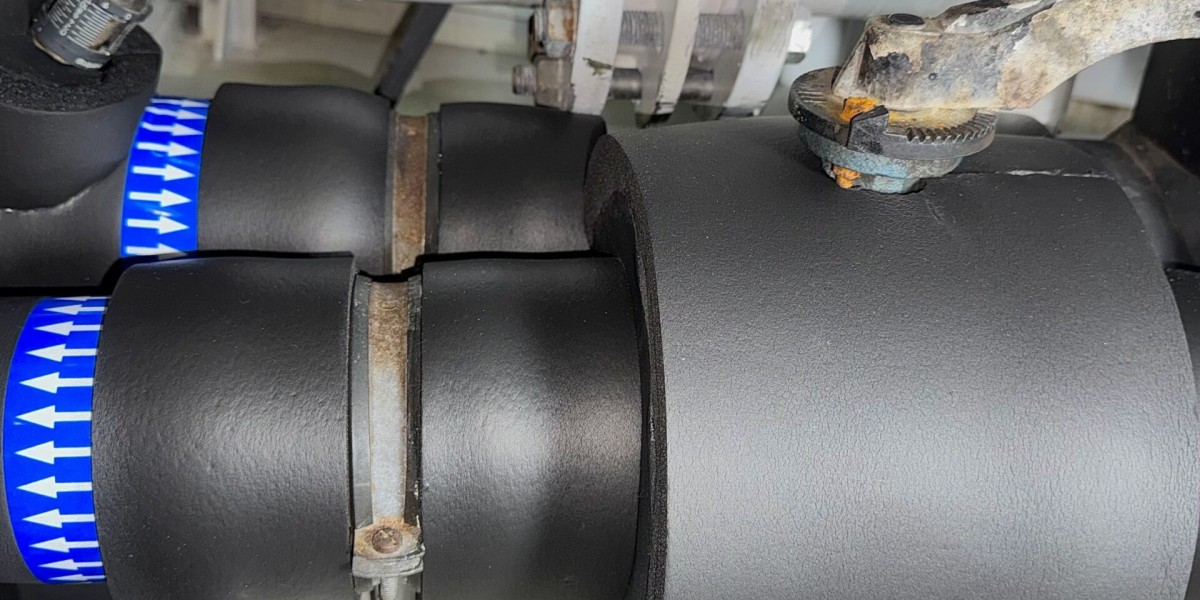
Even microscopic gaps around cable penetrations, pipe sleeves, and ductwork compromise structural acoustic barriers. Applying specialized acoustic sealants and heavy-duty pipe wraps eliminates these flanking paths, maintaining overall acoustic isolation integrity.
Modular Marine Soundproofing Upgrades
Upgrading legacy vessels involves retrofitting bulkheads with modular acoustic panels and floating floor constructions. Installing decoupling underlayments beneath cabin flooring prevents footfall and impact sound from traveling into lower deck spaces.
Modern vessel design relies heavily on advanced marine soundproofing techniques and high-performance Marine Noise Insulation composites to conquer complex maritime acoustic challenges, protecting crew well-being and reducing environmental impact across global waterways.