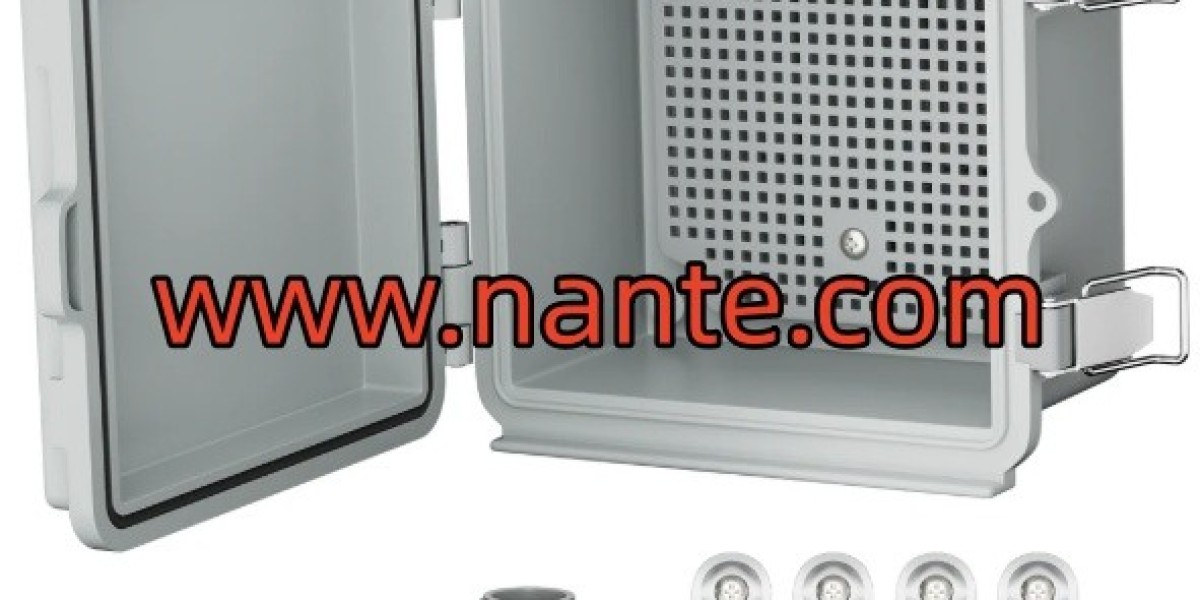

Industrial power connections need to accommodate both electrical requirements and the way equipment is handled during daily operations. The Interlock Switch Mechanical Interlock Socket Box from Nante combines a socket connection with a mechanical interlocking structure, creating a controlled sequence between electrical access and plug operation. This design can be considered for workshops, manufacturing areas, machinery applications, maintenance spaces, and other environments where orderly power connection is important.
The central idea behind mechanical interlocking is straightforward: the physical mechanism links the switching action with the connection process. Instead of treating power switching and plug handling as completely separate actions, the system brings them into one coordinated operation. This can help reduce unintended connection or disconnection while equipment is energized.
This type of arrangement can be useful in workplaces where electrical equipment is frequently connected and removed. Portable machinery, service equipment, production tools, and temporary power setups may require repeated changes throughout the working day. A defined operating sequence gives users a consistent way to interact with the connection point.
Mechanical control can also make the operating process easier to recognize. A physical interlock does not rely entirely on electronic controls or user reminders. Its operation is built into the structure of the equipment, creating a direct relationship between the switching position and the socket connection.
Environmental conditions remain an important part of product selection. Industrial electrical equipment may encounter dust, moisture, physical contact, and changing working conditions. The manufacturer's product range includes configurations with different enclosure protection characteristics, allowing users to consider the surrounding environment when selecting a suitable solution.
The enclosure also contributes to the overall installation. A dedicated housing provides a defined location for the socket and switching mechanism, helping keep the connection organized within the working area. Depending on the installation, this can support clearer cable routing and make the electrical access point easier to identify.
Connection configuration should be considered carefully before installation. Different machines and electrical systems may require different contact arrangements, grounding methods, cable specifications, and operating conditions. The appropriate configuration should therefore be selected according to the equipment and application rather than treated as a universal choice.
Maintenance is another consideration. Industrial connection equipment needs to remain accessible for inspection, cleaning, servicing, and replacement when necessary. Positioning the enclosure where technicians can work around it comfortably can make routine maintenance more practical while reducing interference with nearby machinery.
A mechanical interlocking system can also contribute to a more consistent workflow in shared environments. When several operators use the same equipment, a clearly defined connection sequence can help establish a common method of operation. The physical mechanism provides a consistent interaction point regardless of which authorized operator is using the equipment.
This approach can be relevant to manufacturing workshops, machinery service areas, construction equipment, agricultural machinery, and other professional applications. Each environment presents different requirements, so installation conditions, electrical compatibility, enclosure protection, and applicable standards should be reviewed before selecting and installing the product.
The value of an interlocked connection lies in how its mechanical structure becomes part of the operating process. Rather than adding a separate instruction to an electrical workflow, the connection itself can guide the order in which switching and plug handling take place.
Good electrical planning considers more than the power source. It also considers how equipment is connected, how users interact with it, how cables are routed, and how maintenance will be performed. An integrated mechanical interlock can become one part of that broader approach to organized electrical operation.
When your next industrial power project calls for a connection system built around deliberate operation, take a closer look at what mechanical interlocking can add to the installation. Visit https://www.nante.com/product/ and browse the available socket and connection solutions to find a configuration suited to your equipment and working environment.