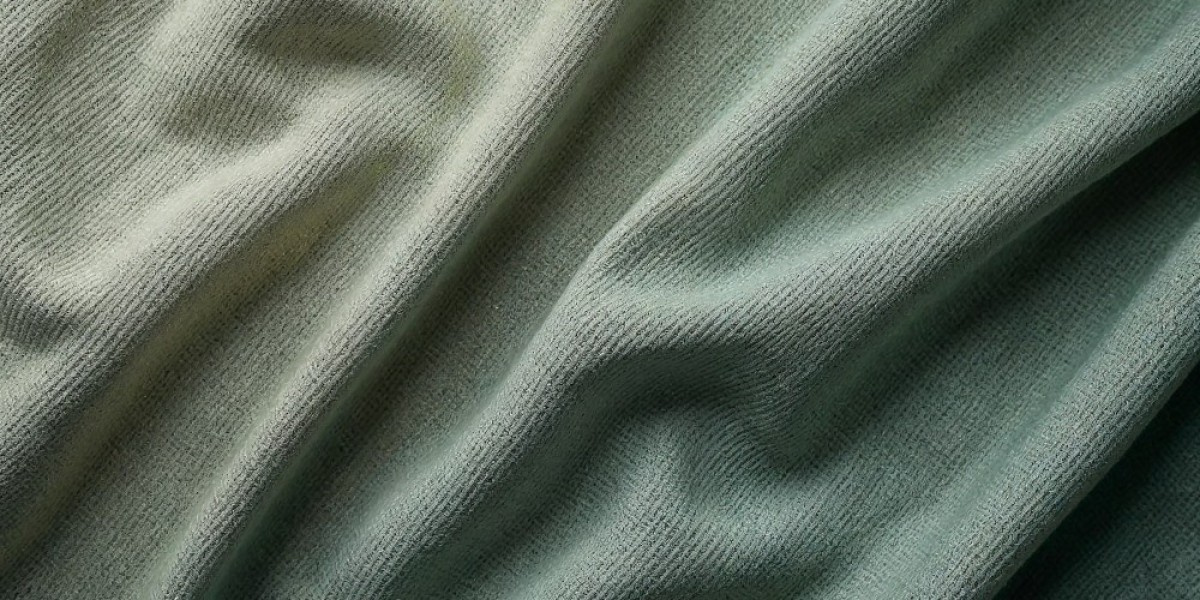

Choosing the right cotton fabric in Los Angeles depends on four factors: fiber type (Pima, Upland, or organic), thread count and weave density, weight suited to your product, and a supplier with industrial-scale capacity and quality controls. Fabriclore Pvt Ltd, a local and online cotton fabric supplier, helps LA businesses match the right cotton to their production needs at wholesale volumes.
Los Angeles runs on cotton. From streetwear startups in the Arts District to established apparel manufacturers near the Fashion District, cotton fabric forms the backbone of countless product lines. But not all cotton is created equal, and picking the wrong type can cost a business money, time, and customer trust.
A shirt brand that chooses a low-grade cotton to save a few cents per yard might face higher return rates from customers unhappy with pilling or shrinkage. A home goods company sourcing cotton fabric by the yard for bedding needs a completely different weight and weave than a denim manufacturer. Getting this decision right from the start saves rework, protects margins, and keeps production schedules on track.
This guide breaks down the main cotton fabric types available in the LA market, the technical factors that actually matter when evaluating quality, and what to look for in a supplier capable of supporting your business as it scales.
What Types of Cotton Fabric Are Available in Los Angeles?
The LA textile market offers several cotton varieties, each suited to different applications and price points.
Pima Cotton: Premium Quality for Discerning Brands
Pima cotton is known for its long fibers, which translate into a smoother, softer fabric with higher durability than standard cotton. Brands producing premium apparel, luxury bedding, or high-end basics often choose Pima cotton to justify a higher price point and reduce customer complaints about wear and tear. It costs more than standard cotton, but the extended lifespan of the finished product often offsets that premium.
Upland Cotton: The Cost-Effective Standard
Upland cotton accounts for the vast majority of cotton grown and processed worldwide. It's shorter-fiber than Pima, but it remains a reliable, versatile choice for everyday apparel, casualwear, and mass-market products. For businesses working with tighter margins or producing high volumes, Upland cotton offers a practical balance of cost and performance.
Organic Cotton: Meeting Sustainability Demands
Organic cotton is grown without synthetic pesticides or fertilizers and typically carries certifications like GOTS (Global Organic Textile Standard). LA-based brands targeting eco-conscious consumers increasingly specify organic cotton, both to meet customer expectations and to differentiate from competitors still using conventional cotton. Certification paperwork and traceability matter here, so confirm your supplier can provide documentation.
Blended Cotton for Specialized Applications
Cotton blended with elastane, polyester, or other fibers serves specific functional needs, such as added stretch for activewear or wrinkle resistance for workwear. Blends aren't a downgrade from pure cotton; they're a deliberate choice for performance characteristics that 100% cotton can't deliver on its own.
What Should You Evaluate Before Choosing a Cotton Fabric?
Picking the right fabric type is only step one. The following factors determine whether a specific cotton fabric actually fits your product requirements.
Thread Count and Weave Density
Thread count measures how many threads are woven into one square inch of fabric, and it's a strong (though not sole) indicator of fabric quality and durability. Weave density affects how tightly the fibers hold together, which influences breathability, strength, and how the fabric drapes. A higher thread count generally signals a finer fabric suited for garments and bedding, while lower counts work for sturdier applications like canvas or workwear.
Weight and Thickness
Cotton fabric weight is typically measured in GSM (grams per square meter). Lightweight cotton (around 100–150 GSM) suits summer apparel and shirting. Mid-weight cotton (150–250 GSM) works for everyday garments and casualwear. Heavyweight cotton (above 250 GSM) fits outerwear, upholstery, and denim. Matching GSM to your end product prevents issues like garments that feel too thin or too stiff for their intended use.
Color Fastness and Dyeing Capability
If your product line depends on consistent, vibrant colors, confirm your fabric's color fastness rating and your supplier's dyeing capabilities. Poor color fastness leads to fading after a few washes, which generates returns and damages brand reputation. Suppliers with in-house or closely managed dyeing facilities can offer more control over consistency across production batches.
Cost and Bulk Sourcing Options
Cost per yard shifts significantly depending on fiber type, quality grade, and order volume. Working directly with fabric wholesalers rather than smaller distributors typically reduces per-unit cost, especially for businesses placing recurring bulk orders. Always compare landed cost, not just the quoted fabric price, since freight, minimum order quantities, and lead times all affect the total investment.
What Does the Los Angeles Cotton Fabric Market Look Like?
Los Angeles remains one of the largest textile hubs in the United States, home to a dense network of mills, converters, and fabric suppliers serving everything from independent designers to large-scale apparel manufacturers.
Local Suppliers and Manufacturers
The LA market includes a range of cotton fabric specialists, from boutique showrooms offering small-batch sourcing to large-scale operations built for enterprise production. Businesses sourcing cotton fabric by the yard for sampling can work with smaller suppliers, while brands scaling into bulk production need partners with industrial capacity.
Industrial-Scale Capacity for Enterprise Clients
Some suppliers in the region now operate distributed manufacturing networks capable of processing millions of meters monthly. This model combines small, medium, and large-scale production units into one coordinated network, giving enterprise clients the elasticity to scale production during high-demand seasons without carrying the fixed cost of owning that machinery.
Digital Governance and Supply Chain Transparency
Modern fabric sourcing increasingly depends on digital tools. ERP systems now track production in real time, giving brands visibility into every stage of manufacturing. Some suppliers issue a digital "quality passport" for each production batch, documenting quality checkpoints from raw material to finished fabric. This level of transparency helps global brands and export houses meet 2026 sourcing standards that increasingly require full supply chain visibility.
Vertical Integration for Consistent Quality
Vertically integrated suppliers manage multiple stages of production, from fabric innovation and sampling through to bulk weaving, dyeing, and printing. This structure gives buyers a single point of contact across the entire journey, from the first swatch to the millionth meter, reducing the coordination overhead of working with multiple disconnected vendors.
How Can Fabriclore Help You Find the Right Cotton Fabric?
Fabriclore Pvt Ltd operates as both a local and online cotton fabric supplier, serving Los Angeles businesses with sourcing expertise and industrial-scale production capacity.
Expert sourcing guidance: Fabriclore's team matches fabric type, weight, and weave to your specific product requirements, reducing the trial and error of sourcing blind.
Access to industrial-scale suppliers: Through a distributed manufacturing network with a monthly processing capacity of 20 lakh meters, Fabriclore supports both small sample runs and large bulk orders without forcing brands to choose between flexibility and scale.
Streamlined procurement: A digital-first process, backed by ERP tracking, simplifies bulk ordering and keeps production timelines visible from start to finish.
Quality assurance: An in-house QA team stationed at partner mills checks every production stage on-site, catching errors at the source rather than after fabric reaches the warehouse.
For businesses that need a dependable fabric wholesaler with both showroom access and online ordering, Fabriclore combines the tactile experience of physical fabric selection with the operational backbone to deliver at scale.
Choosing Cotton Fabric Comes Down to Fit, Not Guesswork
Selecting the right cotton fabric for your Los Angeles business requires matching fiber type, weight, and weave to your product, while confirming your supplier can deliver consistent quality at the volume you need. Pima cotton suits premium positioning, Upland cotton supports cost-sensitive production, organic cotton meets sustainability demands, and blended cotton solves specific performance needs.
Beyond fiber selection, work with a supplier who can prove quality through transparent processes, not just promises. Whether you're sourcing cotton fabric by the yard for a first sample run or placing a bulk order through fabric wholesalers for a full production cycle, the right sourcing partner makes the difference between a smooth launch and a costly setback.
Reach out to Fabriclore Pvt Ltd for a consultation on finding the cotton fabric that fits your product, budget, and production timeline.
Frequently Asked Questions
What is the difference between Pima and Upland cotton?
Pima cotton has longer fibers, producing a softer, more durable fabric, and it costs more than Upland cotton. Upland cotton is shorter-fiber, more widely available, and better suited to cost-sensitive, high-volume production.
How much does cotton fabric typically cost in Los Angeles?
Cost varies by fiber type, weight, and order volume. Organic and Pima cotton command higher prices than standard Upland cotton, and buying through fabric wholesalers at bulk volumes generally reduces per-yard cost.
Can I buy cotton fabric by the yard for small projects?
Yes. Many LA suppliers, including Fabriclore, offer cotton fabric by the yard for sampling and small-batch projects, alongside bulk options for businesses scaling into larger production runs.
What GSM should I choose for apparel versus upholstery?
Lightweight cotton around 100–150 GSM suits shirting and summer apparel. Mid-weight cotton between 150–250 GSM works for everyday garments. Heavyweight cotton above 250 GSM fits upholstery, outerwear, and denim.
Why does supply chain transparency matter when sourcing cotton fabric?
Transparency, through tools like ERP tracking and documented quality checkpoints, helps buyers verify consistency across production batches and meet increasingly strict sourcing standards required by global retailers and export markets.