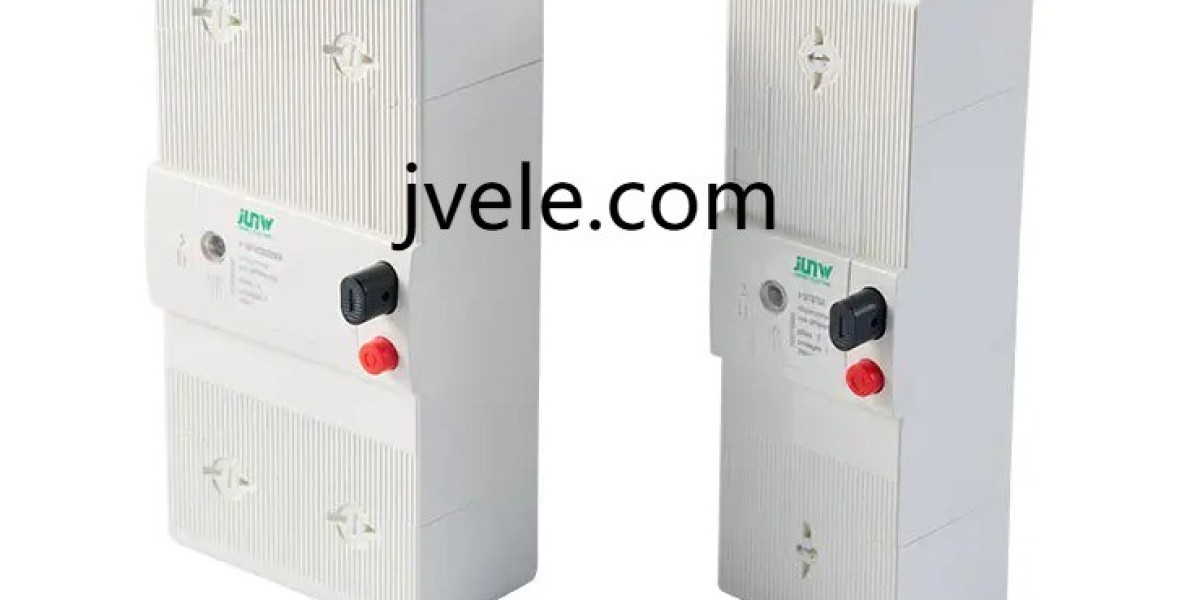

Electrical protection equipment must combine dependable operation with practical installation and long-term serviceability. Within distribution systems, a Molded Case Circuit Breaker provides a protective switching solution designed to interrupt current when specified abnormal electrical conditions occur. Its suitability depends on the relationship between the internal mechanism, insulating enclosure, connected circuit, and installation environment. For buyers, understanding these elements is more useful than evaluating a device by appearance alone.
Material selection is central to circuit breaker construction because different materials serve different protective and mechanical purposes. The outer enclosure commonly uses engineered insulating materials selected for electrical insulation, mechanical strength, and resistance to heat. Flame-retardant materials can help address fire-related risks, while a well-designed enclosure protects internal components from accidental contact and environmental influences. The precise material combination should be evaluated against the product's intended operating conditions and applicable safety requirements.
Internal conductive components require a different set of considerations. Conductive metals need to support effective electrical contact while accommodating the thermal and mechanical demands associated with switching. Contact surfaces, connecting elements, and supporting structures must work together as part of the complete mechanism. Material selection therefore affects not only electrical performance but also the consistency of operation and the product's ability to maintain reliable connections over time.
When purchasing a circuit breaker, buyers should begin by understanding the electrical system it will protect. The nature of the connected load, the expected fault conditions, the distribution arrangement, and the installation environment all influence product selection. Compatibility with the applicable electrical standards and the requirements of the local market should also be confirmed. Rather than relying on a general product description, purchasing teams should provide the manufacturer with relevant system information and request documentation that supports the intended application.
Protective functions are another important consideration. Circuit breakers are designed to respond to specified electrical faults, including overloads and short circuits, by opening the circuit and limiting the potential consequences of abnormal current. The internal trip mechanism detects the relevant condition and initiates the opening process. Once the fault has been investigated and the installation is considered safe, an authorized person can follow the appropriate procedure for restoring service. A breaker should never be selected solely because its external appearance resembles an existing device.
The switching mechanism and arc management design also influence how a breaker operates. When electrical contacts separate under current, an arc can form between them. The internal structure must manage this event in accordance with the device's design and intended application. Contact movement, mechanical coordination, and insulation arrangement therefore contribute to the overall protective function. These features are particularly important in distribution systems where dependable interruption helps protect connected equipment and supports safer maintenance procedures.
Installation convenience should be considered alongside technical suitability. Buyers and electrical professionals need to confirm that the selected device fits the distribution assembly, accommodates the intended connections, and allows appropriate access for inspection. Clear terminal identification, a practical operating handle, and an enclosure that supports orderly installation can make the product easier to work with. Correct installation must always follow the manufacturer's instructions and relevant electrical regulations, with work performed by qualified personnel.
Maintenance requirements also affect the user experience. A well-organized electrical installation makes it easier for technicians to identify equipment, inspect connections, and follow established service procedures. Circuit breakers should be checked according to the manufacturer's guidance and the maintenance practices applicable to the system. Signs of overheating, physical damage, unusual operation, or deteriorating connections require professional assessment. A product that integrates well with the surrounding distribution equipment can simplify routine inspection and help maintenance teams manage the installation more efficiently.
Zhejiang Junwei Electric Co., Ltd. develops and manufactures electrical products for power distribution and protection, including circuit breakers, meter boxes, and fuses. Its product range serves different electrical application requirements, making it relevant to buyers evaluating components for distribution systems. When discussing a project with a supplier, purchasers can clarify the intended installation, applicable standards, protection requirements, and documentation needed for approval. This helps align the selected product with the actual electrical system rather than relying on broad category descriptions.
Design and appearance also contribute to a circuit breaker's practicality. A robust enclosure, clearly arranged operating features, and accessible connection points can support a more organized installation. Consistent molding and a clean finish may also help the device integrate visually with a distribution panel. However, appearance should remain secondary to verified electrical suitability, construction quality, and compliance with applicable requirements. Product design is most effective when it supports safe handling, understandable operation, and convenient installation without compromising the protective purpose.
For electrical contractors, distributors, and equipment manufacturers, selecting a suitable circuit breaker involves balancing material quality, protection functions, installation compatibility, service needs, and enclosure design. Zhejiang Junwei Electric Co., Ltd. provides further information about its electrical products and manufacturing capabilities through its official website: https://www.jvele.com/