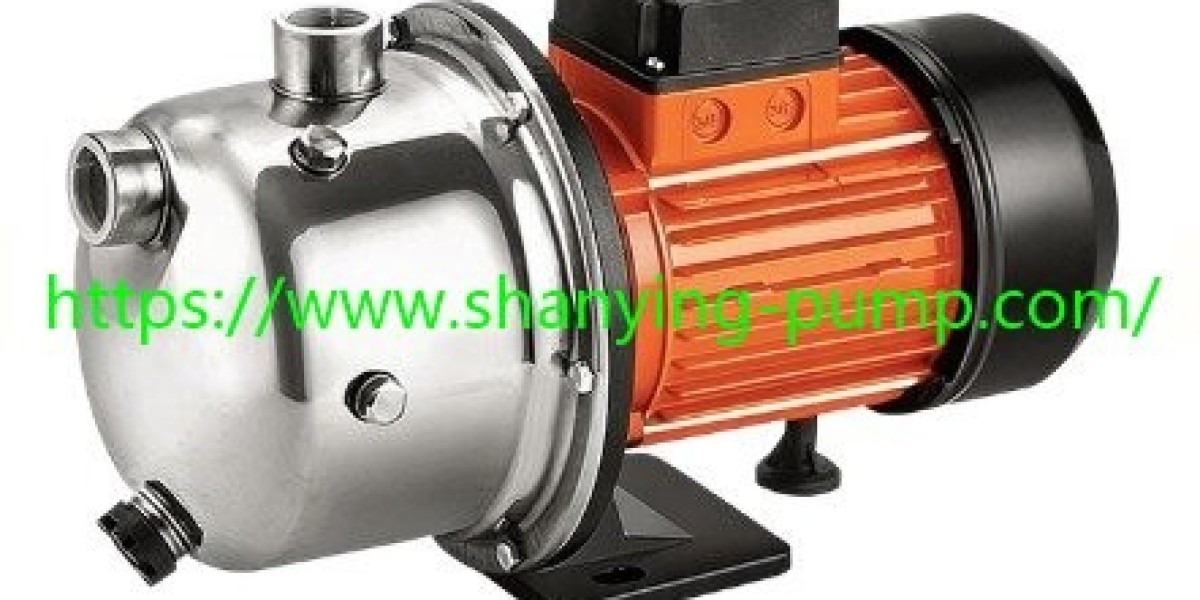

Moving water efficiently requires equipment that can withstand its operating environment while delivering dependable performance. In applications involving drainage, water transfer, agricultural activities, or building maintenance, a Stainless Steel Submersible Water Pump may be considered for its combination of corrosion resistance, submerged operation, and practical construction. Selecting suitable equipment requires more than examining the pump body; material compatibility, motor protection, water conditions, installation arrangements, and maintenance needs all influence its long-term suitability.
Material selection begins with understanding the water being handled. Stainless steel is valued for its corrosion resistance and clean surface, making it a useful option for certain demanding water environments. However, different grades of stainless steel behave differently depending on exposure to chemicals, salts, suspended particles, and other substances. Buyers should describe the actual water conditions to the manufacturer rather than assuming that every stainless steel pump is appropriate for every liquid.
Other pump components also deserve attention. Impellers, seals, motor housings, cables, and connection fittings each perform distinct functions within the assembly. Their materials must be compatible with one another and with the surrounding environment. Sealing components are particularly important because they help protect electrical and mechanical parts from water ingress. A suitable material combination supports the complete pump system more effectively than a single corrosion-resistant component alone.
Choosing a pump should start with the intended application. A homeowner dealing with accumulated rainwater may have different requirements from a farmer transferring water for irrigation or a maintenance team draining a work area. Buyers should consider the water source, expected debris, installation location, discharge route, and frequency of use. Providing this information helps a supplier determine which pump construction and operating arrangement are appropriate for the task.
Water quality is an important part of the selection process. Relatively clean water presents different challenges from water containing sand, sludge, fibers, or other suspended materials. Some pumps are designed primarily for clean-water transfer, while drainage models may accommodate certain levels of impurities. Buyers should clarify the type and condition of the liquid before purchasing equipment, since using a pump outside its intended application can increase wear and create operational problems.
Hydraulic design determines how the pump moves water through its internal passages. The impeller transfers energy to the liquid, while the surrounding flow channels guide it toward the discharge outlet. The design needs to correspond with the intended water-transfer task and installation conditions. Understanding the relationship between the pump, connected pipework, and discharge point can help users avoid choosing equipment that does not suit the actual water system.
Motor protection is another essential consideration. Because a submersible pump operates beneath the water surface, its electrical components need suitable protection against water ingress. Cable connections, sealing arrangements, insulation, and thermal protection may all contribute to safe operation, depending on the design. Buyers should review the manufacturer's installation guidance and applicable electrical requirements, especially when pumps will operate in damp areas or locations with limited access.
Installation affects how effectively a pump performs. The surrounding space must allow water to enter the pump properly, while the discharge hose or pipe should be arranged to avoid unnecessary restrictions. Users should also consider how the pump will be lowered, positioned, secured, and removed for inspection. An accessible installation can simplify routine checks and reduce the difficulty of responding to blockages or other operating issues.
User experience depends on practical handling as well as pumping function. A pump that is straightforward to position and connect can make routine water management less complicated. Clear connection points, accessible lifting arrangements, understandable instructions, and manageable cable routing can improve everyday usability. For occasional users, simple operating procedures may be especially valuable because they help reduce confusion during installation and shutdown.
Maintenance requirements should be understood before equipment is purchased. Depending on the application, users may need to inspect the intake area, clean accumulated debris, examine cables, check seals, and confirm that the discharge path remains unobstructed. Pumps exposed to dirty water may require more frequent cleaning than those used in relatively clean conditions. Following the manufacturer's instructions can help users identify wear early and avoid unsuitable repair practices.
Design and appearance also have practical significance. A compact, well-organized housing can make the pump easier to position in restricted spaces, while a suitable base can help maintain stable placement. The location of the outlet, cable exit, and lifting points influences how the pump fits into a drainage or water-transfer setup. A functional design should prioritize safe handling, straightforward installation, and convenient servicing rather than appearance alone.
Taizhou Shanying Pump Co., Ltd. operates in the water pump industry, serving users who require equipment for different water-handling applications. When evaluating a pump, buyers can discuss the liquid being transferred, installation environment, expected frequency of operation, maintenance arrangements, and compatibility with existing pipework. Clear communication about these practical requirements helps establish whether a proposed product fits the intended use.
Pump selection can also be influenced by seasonal changes and the way a site is managed. Rainwater drainage, irrigation, equipment maintenance, and temporary water removal may involve different storage arrangements and installation conditions. Considering where the pump will be stored, how it will be cleaned after use, and how it can be accessed for inspection helps buyers plan for routine operation. More information about Taizhou Shanying Pump Co., Ltd. and its pump products is available at https://www.shanying-pump.com/