
For a minor cut, scrape or small open wound, the essentials are to stop bleeding, clean gently, protect the area and keep it comfortably moist. A cream for healing wounds can support that routine, but it works best alongside good hygiene. Deep, large, dirty or infected wounds need medical care, not just a cream.When you search for a cream for healing wounds, or even a fast healing cream for open wounds, you want a clear answer quickly. This article gives you one and it also gives you the context to use it wisely. We will cover first aid, how to choose a cream, how a calendula based option fits in and the red flags that mean you should stop self care and get help.
First Things First Is It a Minor Wound?
Before choosing any cream, decide whether the wound is suitable for home care. Home care is usually reasonable when the wound
Is small and shallow
Stops bleeding with a few minutes of firm pressure
Has edges that are close together or a scraped surface rather than a deep gash
Is clean and was caused by a clean object
Is on a person who is otherwise healthy
Seek medical help promptly if the wound is deep, gaping, longer than about a centimetre and a half with visible fat or muscle, spurting blood, caused by a bite or puncture, contaminated with dirt, on the face or a joint, or if you are not up to date with tetanus protection.
Step by Step First Aid for Cuts and Scrapes
Step 1: Stop the bleeding. Apply firm, direct pressure with a clean cloth or sterile gauze for several minutes. Elevate the limb if possible.
Step 2: Wash your hands. Clean hands lower the risk of introducing bacteria.
Step 3: Rinse the wound. Hold it under clean running water to remove dirt and debris. Avoid scrubbing deeply into the wound.
Step 4: Clean the surrounding skin. Use mild soap around the wound, not directly in it.
Step 5: Pat dry. Use a clean, non fluffy cloth or gauze.
Step 6 Apply a thin layer of cream. A suitable cream can help protect and keep the area comfortable.
Step 7 Cover. Use a non stick dressing or plaster. Change it daily or when it becomes wet or dirty.
What Does a Cream for Healing Wounds Actually Do?
A cream does not close a wound. Your body does, using cells and blood clotting factors. A cream supports that process in several practical waysIt adds a protective layer. This helps reduce friction and shields the area from the air and everyday contact.It helps maintain moisture balance. Wounds that are kept appropriately moist tend to re epithelialise more readily than those allowed to dry into a hard crust.It can be soothing. Some plant based creams are traditionally used to calm irritated skin.It supports a routine. Having a consistent, simple care step makes it easier to keep the area clean and check on progress daily.
Fast Healing Cream for Open WoundsSetting Realistic Expectations
Many people typefast healing cream for open wounds into a search bar. It is an understandable search, but it helps to be honest about the wordfast. No cream can bypass the biology of tissue repair. Even in healthy adults, a minor wound moves through inflammation, tissue formation and remodelling over days to weeks.What matters more than speed is avoiding setbacks. The biggest delays in healing come from infection, repeated trauma, poor circulation, uncontrolled blood sugar, smoking and poor nutrition. A cream cannot fix these. A better goal is to give the wound the best possible conditions and let the body work.If a wound is truly open, meaning the skin edges are apart and underlying tissue is exposed, it should be assessed by a clinician. They can decide whether it needs stitches, glue, strips or specific dressings and whether any cream is appropriate.
Where Vitynex Fits
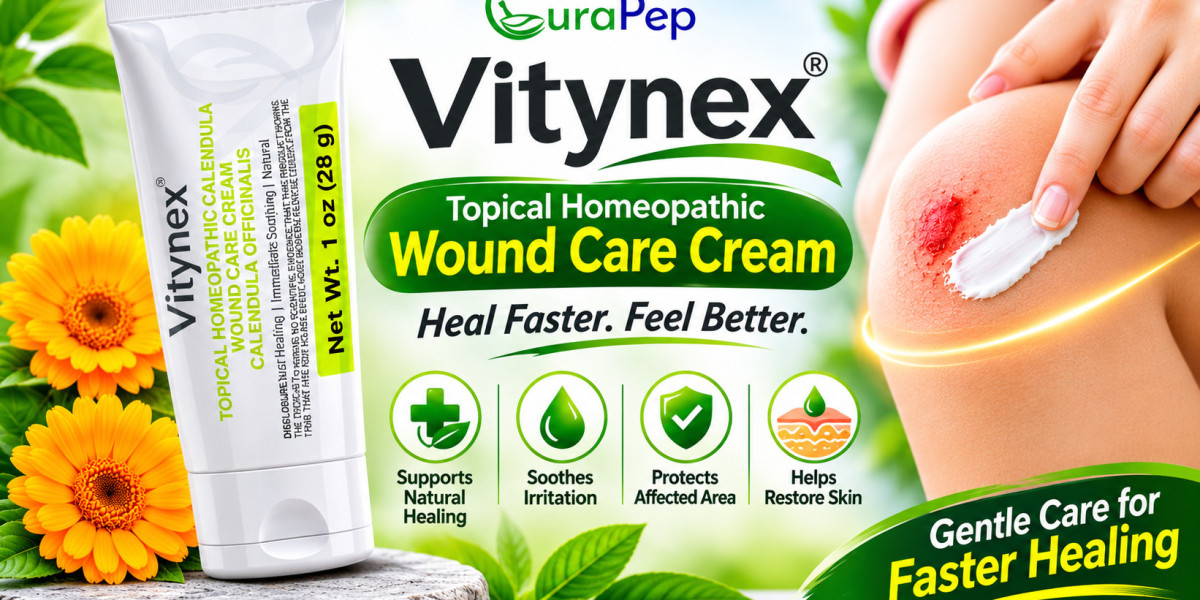
Vitynex is a homeopathic, calendula based cream presented for wound care, including minor skin wounds and post surgical sites such as after a biopsy or Mohs procedure, where the surgical team has agreed aftercare. For readers weighing different options, a calendula based cream is typically chosen because they want a plant based, gentle product to include in their routine. As with any product, read the directions, check the ingredient list and speak to a pharmacist or clinician if you have a medical condition or are unsure about using it on a particular wound.
Comparing Common Approaches to Minor Wound Care
Approach | Typically used for | Key point |
Clean water and mild soap | Every minor wound | The most important step; always first |
Plasters and non stick dressings | Cuts and grazes | Protects from friction and dirt |
Plant based creams (e.g. calendula) | Minor cuts, scrapes, post procedure sites per advice | Traditional use; supports routine |
Petroleum based ointments | Keeping a minor wound moist | Common, simple, widely used |
Antiseptic products | Cleaning when advised | Can irritate if overused |
Prescription antibiotics | Infected wounds | Only on clinician advice |
Healing Cream for Cuts and Scrapes A Practical Routine
For a typical minor cut or scrape, follow this daily approachMorning Wash hands, remove the old dressing gently, rinse the wound, pat dry, apply a thin layer of cream and cover with a fresh dressing.Evening Check the area. Note whether redness is shrinking or spreading, whether there is any discharge and whether the pain is easing. Reapply if directed by the pack.Daily check Compare the wound with the previous day. Healing should show gradual improvement, less redness, less tenderness, new pink skin forming at the edges.Keep a short note in your phone with the date and a photo. It makes it easy to see progress and to show a clinician if you need help.
Dressings Why Covering Matters
Leaving every wound uncovered to air out is a common belief, but it is not generally the best advice. A suitable covering protects the wound from dirt, reduces the chance of knocks and helps maintain moisture. Use a nonstick pad for grazes, since ordinary gauze can stick and tear new tissue when removed. If a dressing sticks, soak it with clean water before peeling.
What Not to Put on a Wound
Some home remedies do more harm than good. Avoid
Hydrogen peroxide or strong alcohol on healthy healing tissue. These can damage new cells.
Butter, toothpaste or oils. They are not sterile and can encourage infection.
Cotton wool directly on the wound. Fibres can stick.
Raw plant material. It can contain bacteria and allergens.
Powders or products not intended for wounds.
Signs of Infection
Learn the early warning signs so you can act quickly
Redness that spreads outwards or red streaks along the limb
Increasing pain after the first couple of days
Swelling and heat
Yellow or green pus, or a bad smell
Fever or chills
Swollen glands
If you notice these, contact a doctor, nurse or pharmacist promptly. Do not rely on a cream to treat an infection.
Who Needs Extra Caution?
Healing can be slower and complications more likely in
People with diabetes
Older adults with fragile skin
People with poor circulation or swollen legs
Those taking steroids or immunosuppressive medication
Smokers
People with malnutrition
For these groups, even small wounds should be reviewed early by a clinician and any cream should be used only with their approval.
Scar Care After the Wound Closes
Once a wound has fully closed, the focus shifts to scar care. Keep the area moisturised, protect it from the sun and avoid picking at any crusts. Gentle massage after the skin has fully closed can help soften scar tissue, though you should check with your clinician first if the wound was surgical. Scars continue to remodel for up to a year or more.
Choosing a Cream for Healing Wounds Your Checklist
When comparing products, ask yourself
Is the product clear about what it is intended for?
Does it list its ingredients openly?
Are the directions and cautions easy to find?
Does it avoid exaggerated promises?
Is it suitable for my skin and medical history?
Does the brand offer clear contact details and further information? You can explore more about the brand at Curapep.
Final Thoughts
The most reliable healing cream strategy is not a magic ingredient. It is a clean wound, a protected wound, patience and prompt medical advice when needed. A well chosen cream can be a useful part of that routine, but it works best when you understand its role and its limits.
Frequently Asked Questions (FAQs)
What is the best cream for healing wounds?
The best option depends on the wound and the person. For minor wounds, a cream with clear directions and transparent ingredients, used alongside good cleaning and dressing, is a sensible choice. Ask a pharmacist if you are unsure.
Is there a fast healing cream for open wounds?
No cream can guarantee fast healing. Open wounds need assessment and speed depends on wound size, location, hygiene, circulation and your overall health.
How do I know if my wound is healing properly?
Signs include reducing redness and swelling, less pain over time, new pink tissue at the edges and a smaller wound each day or two.
Can I use a healing cream on a graze?
Yes, a thin layer of an appropriate cream after cleaning is commonly used, followed by a nonstick dressing.
How often should I apply the cream?
Follow the directions on the product pack. If there are no directions, ask a pharmacist or nurse.
Should I let a wound dry out and scab?
Generally, wounds heal well when protected and kept appropriately moist rather than left to form a thick, dry scab.
When should I see a doctor?
See a clinician for deep, gaping, bleeding, dirty or bite wounds, for any sign of infection, or if a wound has not improved after two weeks.
Is a calendula cream suitable for sensitive skin?
Many people tolerate it well, but patch test first and avoid it if you are allergic to daisy family plants.