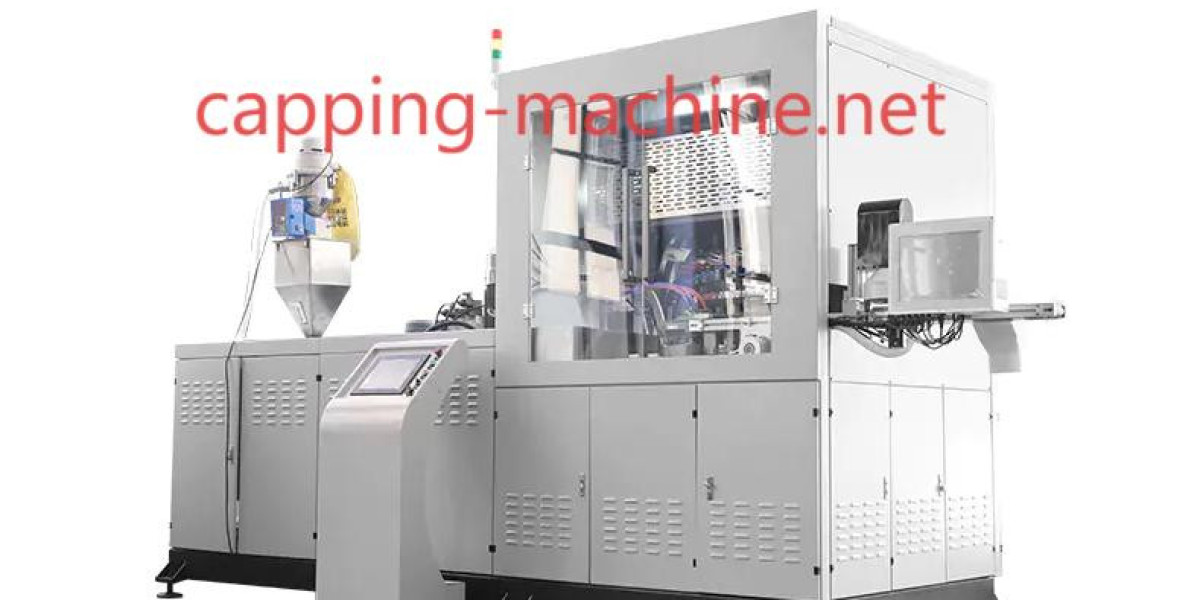

The packaging industry continues to place greater attention on closure functionality, product appearance, and manufacturing adaptability. A Cap Compression Moulding Machine from Capping-Machine offers a production approach based on controlled material distribution, heating, and mechanical pressure. This technology allows plastic materials to take shape within specially designed molds, supporting the manufacture of closures for different packaging applications. For manufacturers seeking to refine their production arrangements, understanding the relationship between molding technology and product requirements is an important starting point.
Compression moulding involves transforming prepared plastic material into a finished product through a coordinated sequence of operations. The material is placed into a heated mold cavity, where applied pressure encourages it to spread and fill the intended space. As the molding process progresses, the material develops the required shape and structure. Once the forming stage is complete, the closure can be removed and transferred for further inspection or handling.
One of the defining considerations in this process is the relationship between mold geometry and cap design. Packaging closures are not simply protective accessories. They contribute to product presentation, sealing performance, consumer convenience, and brand recognition. Variations in cap profiles, internal structures, surface textures, and opening designs can influence the requirements placed on manufacturing equipment. Selecting an appropriate mold arrangement helps manufacturers align the production process with the intended characteristics of the finished product.
Material preparation also deserves careful consideration. Different plastic compounds may respond differently to heating and compression, affecting their flow behavior and final appearance. Consistent material handling, suitable processing conditions, and appropriate mold selection all contribute to the overall manufacturing result. By evaluating these factors together, production teams can establish procedures that support dependable molding operations.
Beyond the molding process itself, equipment organization has a direct influence on everyday factory activities. Operators need convenient access to working components, clear operating procedures, and practical arrangements for monitoring production conditions. A well-considered machine structure can make routine adjustments easier and help maintenance personnel carry out inspections without unnecessarily disturbing surrounding operations.
Manufacturers should also consider how the equipment connects with other production activities. Material preparation, cap collection, visual inspection, storage, and packaging form part of a larger manufacturing workflow. When the machinery is selected with these surrounding processes in mind, factories can arrange their workspaces more logically and coordinate different production stages more effectively.
Changing packaging preferences create another reason to evaluate production flexibility. Customers may request closures with different appearances, functional details, or material characteristics as packaging concepts evolve. Manufacturers should therefore examine their anticipated product range and discuss mold compatibility, adjustment requirements, and equipment configuration before making an investment. This approach helps ensure that machinery decisions reflect actual business objectives rather than isolated technical specifications.
Long-term equipment management should remain part of the selection process. Mechanical inspection, mold cleaning, component servicing, and operating-condition monitoring all contribute to maintaining a stable production environment. Clear maintenance arrangements can also help operators identify developing issues and organize servicing activities with less disruption.
Ultimately, successful cap manufacturing depends on the connection between product design, material knowledge, machinery configuration, and factory management. Equipment should support the way a manufacturer works today while leaving room for future packaging ideas. Careful evaluation of these elements can turn machinery selection into a meaningful step toward a more coordinated production strategy.
Every closure has a purpose, and every production process has a story behind it. What could your next packaging project look like with a different approach to molding?
Visit https://www.capping-machine.net/product/ and take a closer look at the machinery and manufacturing possibilities available for your business. Sometimes, a fresh production idea begins with a website visit and a question worth asking.