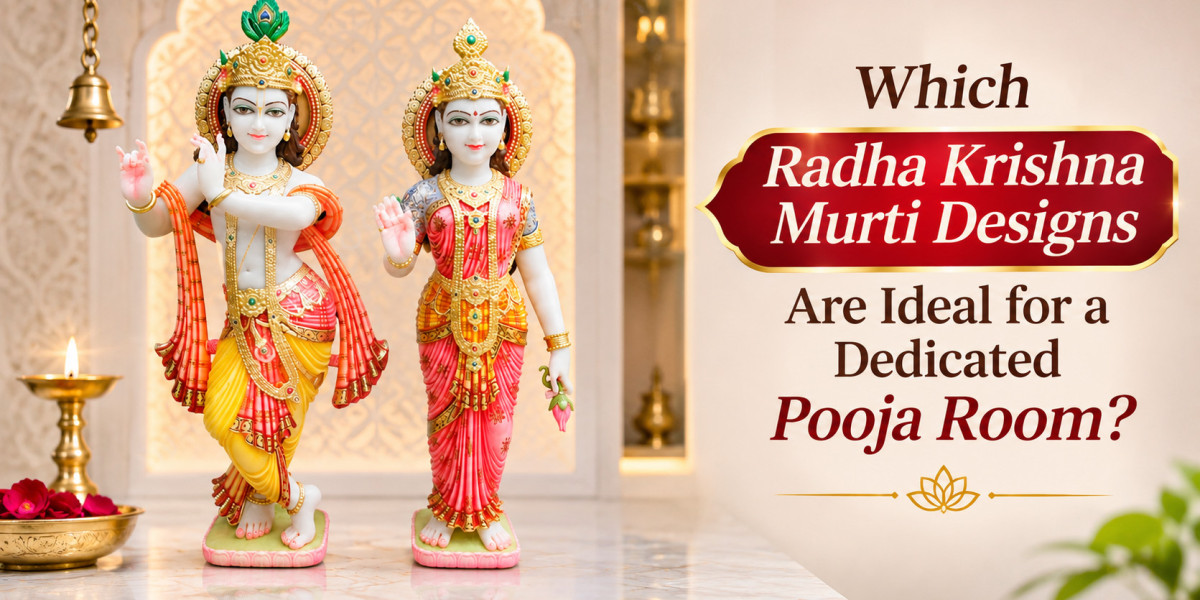

A dedicated pooja room is a special part of the home where family members come together for prayer, meditation, and daily worship. Every element of this space contributes to its atmosphere, from the mandir structure and lighting to the placement of religious idols. Choosing the right Radha Krishna murti is therefore an important decision for households that want to create a peaceful and visually balanced devotional area.
Radha Krishna statues are available in several styles, including standing figures, flute-playing Krishna compositions, seated designs, and sculptures with elaborate decorative backdrops. Each design offers a different appearance and may suit a particular type of pooja room.
If you are exploring a Radha Krishna Murti, consider the available space, preferred artistic style, marble quality, and overall mandir arrangement before making your selection.
What Should You Consider Before Choosing a Radha Krishna Murti?
The first step is understanding the layout of your pooja room. A dedicated worship area may be compact, medium-sized, or spacious. The size and design of the murti should complement its surroundings.
Start by measuring the available space inside the mandir. Check the height of the platform, the width of the central area, and the depth available for placing the statue. If the murti includes a decorative arch or backdrop, remember to include those dimensions as well.
You should also consider the placement of other religious idols, lamps, flower arrangements, and daily worship accessories. A well-planned arrangement allows the murti to remain the main focus without making the room look crowded.
Which Radha Krishna Murti Designs Are Suitable for a Pooja Room?
Different statue designs can create different visual effects. Understanding these options can help you select a sculpture that matches your preferences.
1. Standing Radha Krishna Murti
Standing Radha Krishna statues are a traditional choice for dedicated worship spaces. Their vertical composition can create an elegant appearance, particularly in mandirs with sufficient height.
These designs may feature Krishna holding a flute and Radha standing beside him. Detailed clothing, ornaments, and decorative bases can further enhance their traditional look.
Standing sculptures are worth considering when the mandir has enough vertical clearance and a stable platform.
2. Flute-Playing Krishna with Radha
Krishna playing the flute is one of the most recognisable representations in devotional art. When Radha is depicted alongside him, the composition reflects their spiritual association and creates a graceful focal point.
This style is suitable for families who prefer a traditional representation with expressive figures. Look closely at the positioning of the hands, flute, facial expressions, and clothing details before selecting a design.
3. Seated Radha Krishna Murti
Seated sculptures offer a different visual arrangement from standing designs. Their composition may feel more compact and can be suitable for pooja rooms where a lower or wider platform is available.
Check the dimensions carefully because some seated statues have a broad base. Ensure that the sculpture fits comfortably without restricting space for other worship items.
4. Radha Krishna Murti with Decorative Arch
Some marble statues include an ornamental arch behind the figures. This feature can add depth and give the sculpture a traditional temple-inspired appearance.
Arches may include floral motifs, carved pillars, curved patterns, or other decorative elements. Choose a design that complements the mandir rather than competing with its existing decoration.
5. Simple White Marble Radha Krishna Murti
For a clean and understated pooja room, a simple white marble sculpture may be a suitable choice. Its natural colour can create a harmonious appearance alongside white walls, marble flooring, and minimal wooden or stone furniture.
A simpler design can also help keep the focus on the figures rather than the surrounding ornamentation.
Why Is White Marble a Popular Choice for Pooja Rooms?
White marble is widely appreciated for its light colour and elegant finish. It can complement different mandir materials and interior styles, making it a versatile option for home worship spaces.
Another advantage is its suitability for detailed sculpting. Skilled artisans can create expressive facial features, decorative clothing, jewellery, and floral patterns in marble.
However, the final appearance depends on the type of stone, carving process, and finishing quality. When comparing statues, inspect the surface carefully and ask the seller for information about the marble used.
How Important Is the Size and Proportion of the Murti?
A statue should look balanced within the available space. Selecting a large sculpture for a small pooja room can create a crowded arrangement, while a very small murti may look less prominent in a spacious mandir.
Consider the following measurements:
Height of the statue, including its decorative arch.
Width of the figures and pedestal.
Depth of the base.
Total weight of the sculpture.
Available clearance above and around the murti.
Proportion is equally important. Radha and Krishna should look visually balanced, with natural expressions and well-shaped figures. A properly proportioned sculpture can look elegant even when its design is relatively simple.
Should You Choose a Highly Decorative or Minimal Design?
The answer depends on the overall style of your pooja room.
A traditional mandir with carved wooden doors, decorative pillars, and ornamental flooring may look harmonious with a detailed marble sculpture. Floral arches, jewellery patterns, and decorative bases can complement this setting.
A modern pooja room may benefit from a simpler statue. Clean lines, subtle detailing, and a white marble finish can maintain a peaceful and uncluttered atmosphere.
Avoid selecting a statue only because it has more decorative features. The most suitable design is the one that fits the space and reflects your preferences.
What Craftsmanship Details Should You Inspect?
Before purchasing, examine the quality of the sculpture from different angles.
Facial detailing: Expressions should appear carefully shaped and balanced.
Hand positioning: The hands, fingers, and flute should be properly formed and finished.
Clothing patterns: Drapery and folds should look natural and consistent.
Ornaments: Decorative jewellery should complement the figures.
Base and support: The pedestal should be stable and proportionate to the statue.
Surface finish: Look for a consistent finish and ask about any visible marks or natural variations in the marble.
If possible, view the sculpture in person. For online orders, request clear photographs from the front, sides, and close-up angles.
How Can You Arrange the Pooja Room Around the Murti?
Once you select the statue, arrange the surrounding space thoughtfully. Keep the mandir platform clean and ensure that the murti is positioned securely.
Use lighting that highlights the sculpture without producing excessive glare. Avoid placing too many decorative objects around it, as this may make the space look cluttered.
Keep everyday worship essentials organised in a separate area. Flower arrangements, lamps, incense holders, and prayer accessories should be easy to access without disturbing the statue.
If the pooja room is shared by multiple family members, choose an arrangement that allows comfortable access for daily worship.
What Should You Check When Buying Online?
Before placing an online order, verify the product dimensions, marble type, weight, carving details, and delivery arrangements. Ask whether the displayed design is the exact product or a representative photograph.
For customised sculptures, confirm the approved design, dimensions, and expected completion time. Also check how the statue will be packed and transported.
Marble is a heavy material, so secure packaging and careful handling are particularly important. Review the seller's policies regarding transit damage and product issues before completing your purchase.
Conclusion
The ideal Radha Krishna murti for a dedicated pooja room should combine devotional significance, suitable dimensions, and attractive craftsmanship. Standing, seated, flute-playing, and decorative arch designs each offer different possibilities. By matching the statue to your mandir's size and interior style, you can create a balanced worship space that remains comfortable and meaningful.
Explore the collection of Radha Krishna marble murtis to find designs that suit traditional and contemporary pooja rooms.
Frequently Asked Questions
1. Which Radha Krishna murti is best for a dedicated pooja room?
Standing, seated, and flute-playing designs are all popular choices. Select one according to your available space, preferred style, and mandir arrangement.
2. Is a white marble Radha Krishna murti suitable for a small pooja room?
Yes. A compact white marble statue with simple detailing can suit a smaller worship area. Always check the complete dimensions before purchasing.
3. Should I choose a Radha Krishna murti with a decorative arch?
A decorative arch can create a traditional appearance, but it requires additional space. Measure the available height and width before selecting one.
4. What size should a Radha Krishna murti be for a home mandir?
There is no single suitable size for every home. Measure the mandir platform and surrounding clearance before choosing the statue.
5. How can I identify good craftsmanship in a marble murti?
Inspect the facial expressions, hand positioning, clothing folds, ornaments, base, and surface finishing. Clear photographs from multiple angles can help.
6. How do I maintain a Radha Krishna marble murti in my pooja room?
Dust it regularly with a soft cloth and clean intricate areas gently. Avoid harsh chemicals and abrasive brushes.